



The conversation around sustainability has shifted. What began as corporate social responsibility and compliance theater has evolved into a fundamental question of competitive positioning and capital access. Yet most organizations still treat sustainability as a reporting exercise managed by the communications team rather than what it actually is: a strategic imperative that reshapes how you create, capture, and protect value.
After working with boards and C-suites across Western and emerging markets, we see the same pattern repeatedly. Companies understand that sustainability matters, 90% of executives say so in surveys, but only 60% have actual strategies in place. The gap is not awareness; it's execution architecture. The difference between organizations that derive competitive advantage from sustainability and those that simply report on it comes down to whether they have embedded it into their operating model or treated it as an overlay.
This is not about being virtuous. It's about recognizing that the mechanics of value creation have fundamentally changed. Investor pressure, regulatory expansion, talent migration, and customer preference are not trends that will reverse. Organizations that fail to integrate sustainability into their core strategy will face higher capital costs, shrinking talent pools, regulatory penalties, and market share erosion. Those that do it well will secure cheaper capital, operational efficiencies, premium pricing, and long-term resilience. The question is not whether to pursue sustainability. It's whether you have the governance, capability, and execution architecture to make it create value rather than consume resources.
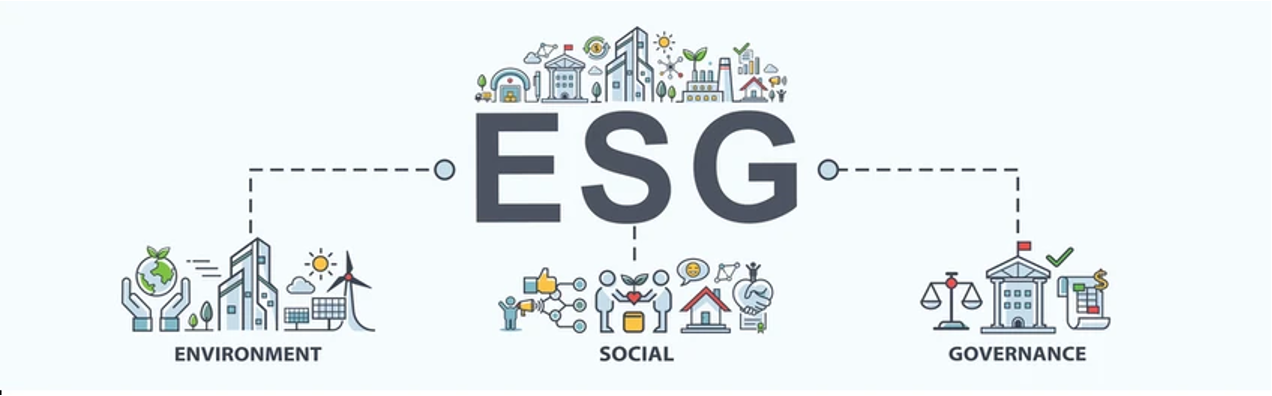
The Capital Markets Have Already Decided
Let's start with the mechanism that concentrates executive attention fastest: access to capital. The financial architecture around sustainability has evolved beyond green bonds and impact funds into the mainstream of corporate finance. In 2020, 85% of institutional investors considered ESG factors in their investment decisions, and 91% of banks now monitor ESG performance in their lending portfolios. BlackRock's Larry Fink made it explicit in his annual letter to CEOs: sustainability is not philanthropy; it drives long-term profitability and risk-adjusted returns.
This shift is structural, not cyclical. Asset managers are facing their own regulatory pressures under frameworks like the EU's Sustainable Finance Disclosure Regulation (SFDR) and are responding by demanding verifiable sustainability data from portfolio companies. What this means in practice: companies with weak sustainability credentials will face higher costs of capital, reduced access to institutional investors, and limited participation in the growing sustainable finance market. The numbers bear this out, sustainability-linked loans have grown from nearly zero five years ago to a multi-hundred-billion-dollar market, with pricing tied directly to achievement of predefined ESG targets.
But here is where most organizations stumble. They view this as a disclosure challenge, get the right report, check the right boxes, keep the investors happy. That's backward. The investors are asking these questions because they understand that companies with robust sustainability strategies have lower operational risk, better talent retention, more innovation capacity, and stronger long-term positioning. The disclosure is simply the evidence. The value driver is the underlying transformation.
Organizations that approach this strategically don't just report sustainability metrics; they use the capital markets' focus on sustainability to drive internal transformation. They leverage sustainability-linked financing to fund operational improvements that reduce costs and risks. They use investor expectations to secure board-level commitment for multi-year transformation programs that would otherwise face resistance. They position sustainability as a catalyst for the broader business evolution the organization needs anyway.
The practical implication: if your sustainability strategy exists primarily to satisfy investor relations, you have already lost the opportunity. The question should be: how do we use investor pressure on sustainability to fund and accelerate the operational transformation that creates competitive advantage?
Operational Reality: Where Strategy Meets Execution
Beyond the capital markets, sustainability creates tangible operational advantages, but only when integrated into core processes rather than managed as a parallel workstream. McKinsey's research shows that sustainability initiatives can affect operating profits by up to 60%, primarily through cost reduction and efficiency gains. The mechanisms are straightforward: energy efficiency reduces utility costs, circular economy principles reduce material waste, supply chain optimization reduces transportation emissions and costs, and process innovation reduces resource intensity.
The challenge is that most organizations lack the execution architecture to capture these benefits systematically. Sustainability teams sit outside core operations, lack authority over capital allocation, and have no direct line to P&L accountability. The result: scattered pilots, incomplete data, and initiatives that die when leadership attention shifts.
Organizations that generate real value from sustainability do three things differently. First, they establish clear governance with a Chief Sustainability Officer who reports directly to the CEO or board, has budget authority, and can influence capital allocation. This is not symbolic, it's operational. Without this structural power, sustainability remains advisory rather than executive.
Second, they integrate sustainability into core business processes. This means embedding carbon accounting into procurement decisions, incorporating lifecycle assessments into product development, and making sustainability performance a factor in executive compensation. It also means building the capability to measure, track, and optimize sustainability metrics with the same rigor applied to financial metrics. Most organizations dramatically underinvest in the data infrastructure, talent, and tools required to do this well.
Third, they recognize that sustainability transformation requires the same change management discipline as any other major business transformation. This means identifying and addressing capability gaps, redesigning workflows, training employees, updating policies, and managing stakeholder resistance. The organizations that fail at sustainability execution almost always fail because they treated it as a technical challenge rather than a business transformation challenge.
Consider the supply chain context. Over 50% of global greenhouse gas emissions originate in commodity supply chains, yet most manufacturers have limited visibility into Scope 3 emissions beyond their Tier 1 suppliers. Addressing this requires not just measurement tools but fundamentally rethinking supplier relationships, data sharing agreements, procurement criteria, and risk management frameworks. It's strategic supply chain transformation that happens to be driven by sustainability imperatives, and it creates competitive advantages through supply chain resilience, cost optimization, and differentiation.
The practical question for leadership teams: have you built the governance, capability, and change architecture to actually execute sustainability transformation, or are you hoping that good intentions and reporting frameworks will somehow deliver results?
Competitive Differentiation in Product and Talent Markets
The third mechanism through which sustainability creates advantage is market differentiation, both in product markets and talent markets. Research from Harvard Business Review demonstrates that compelling sustainability claims can increase customer appeal significantly: 74% of consumers respond positively to products with credible sustainability attributes versus 44% for products with standard claims. This is not niche anymore; it's mainstream customer preference, particularly among younger demographics who will represent an increasing share of purchasing power.
But customer preference creates opportunity only if you can deliver it profitably. Too many organizations pursue sustainability-branded products without the operational foundation to substantiate their claims, leading to greenwashing accusations and brand damage. The organizations that win do so by building actual operational capabilities, green chemistry, renewable energy integration, circular design, sustainable sourcing, that allow them to deliver superior sustainability performance at competitive economics.
This requires R&D investment, capital deployment, and often business model innovation. It also requires rigorous verification and third-party certification to avoid greenwashing risk. Organizations like Unilever and Tesla didn't win on sustainability messaging; they won by building products and business models that delivered superior sustainability performance while maintaining (or improving) on traditional product attributes like performance, convenience, or cost.
The talent dimension operates on similar principles. Deloitte's research shows that 49% of Gen-Z workers and 44% of millennials have made career decisions based on personal ethics, and 51% of U.S. business school students would accept lower compensation to work for an environmentally responsible company. In tight labor markets, particularly for specialized technical talent, sustainability credentials matter for talent acquisition and retention.
But this cuts both ways. Employees can detect corporate hypocrisy faster than external stakeholders. Organizations that announce ambitious sustainability commitments without backing them with real investment and operational change lose credibility internally, leading to cynicism and talent attrition. The organizations that use sustainability to attract talent do so by demonstrating authentic commitment through actions: capital allocation, leadership attention, career development opportunities in sustainability roles, and transparent reporting on progress and setbacks.
The strategic implication: sustainability-driven differentiation works only when backed by operational substance. Marketing sustainability without operational capability creates reputational risk. Building operational capability without market communication wastes competitive advantage. The winning approach integrates both, but starts with the operational foundation.
Building Execution Architecture That Delivers
Most sustainability discussions focus on frameworks, targets, and reporting standards. These matter, but they are table stakes. The organizations that derive competitive advantage from sustainability focus on something more fundamental: execution architecture, the governance structures, capabilities, data systems, and change processes required to turn strategy into operational reality and measurable value.
Start with governance and accountability. Effective sustainability transformation requires a Chief Sustainability Officer with genuine executive authority, direct board reporting, budget control, and influence over capital allocation. This role should not be housed in communications or corporate affairs but positioned as a strategic function with cross-functional authority. The CSO should have a mandate to challenge business unit leaders on sustainability performance and the authority to block initiatives that undermine strategic sustainability commitments.
Equally important: integrate sustainability into executive compensation. If you want CFOs and business unit leaders to take sustainability seriously, tie 15-20% of their variable compensation to achievement of specific sustainability targets. This creates alignment and ensures sustainability isn't deprioritized when short-term pressures emerge.
Second, invest in measurement and data infrastructure. You cannot manage what you cannot measure, and most organizations lack the systems to track sustainability metrics with anywhere near the rigor they apply to financial metrics. This means implementing carbon accounting systems that track Scope 1, 2, and 3 emissions with transaction-level granularity, integrating sustainability data into enterprise planning systems, and building the analytical capability to link sustainability initiatives to financial outcomes.
The data challenge extends beyond internal operations. Sustainability performance increasingly depends on supply chain emissions, which requires visibility into supplier operations, data sharing agreements, and often substantial supplier capability building. Organizations that excel here treat supply chain sustainability as a strategic partnership challenge rather than a compliance exercise, working with key suppliers to build measurement capability, implement improvements, and share efficiency gains.
Third, build organizational capability systematically. Sustainability transformation requires new skills: carbon accounting, lifecycle assessment, circular design, sustainable finance, stakeholder engagement, and regulatory interpretation. Most organizations lack these capabilities and underestimate the investment required to build them. The solution is not to hire a few sustainability specialists and expect them to transform the organization. It's to build capability across functions, training procurement teams on sustainable sourcing, equipping engineers with lifecycle assessment tools, and developing finance teams' ability to price climate risk.
This capability building should extend to the board. Directors need to understand sustainability risks, opportunities, and governance requirements to provide effective oversight. Regular board education on emerging regulations, climate scenarios, and industry best practices is essential.
Fourth, implement rigorous change management. Sustainability transformation encounters the same resistance as any major change initiative: competing priorities, resource constraints, skepticism about ROI, and organizational inertia. Overcome this through clear communication of the strategic rationale, visible leadership commitment, early wins that demonstrate value, and relentless focus on execution accountability.
This is where many organizations fail. They announce ambitious commitments, hire a sustainability team, publish a strategy document, and assume transformation will follow. It won't. Transformation requires redesigning processes, updating policies, changing incentive structures, reallocating resources, and managing stakeholder concerns. It requires program management discipline, executive sponsorship, and multi-year persistence.
The final element: scenario planning and risk management. Sustainability strategy must account for regulatory evolution, technology disruption, market shifts, and physical climate risks. Organizations should model multiple scenarios, ranging from aggressive regulatory action to slower transition pathways, and develop strategies that create value across scenarios while managing downside risks.
This means stress-testing current business models against carbon pricing scenarios, evaluating supply chain resilience to climate-related disruptions, and identifying strategic options that remain viable across uncertain futures. It also means being prepared to make difficult decisions, exiting high-carbon product lines, divesting unsustainable assets, and redirecting capital toward lower-carbon opportunities, before being forced to do so by external pressure.
Pacepoint Direction to Strategic Partnership for Sustainable Transformation
Pacepoint does not position sustainability as corporate responsibility. We position it as strategic transformation, one that reshapes your operating model, competitive positioning, and value creation architecture. Our approach starts with the recognition that sustainability execution fails when treated as a compliance overlay and succeeds when integrated into core strategy, governance, and operations.
We work with organizations facing specific, high-stakes challenges, boards demanding credible sustainability strategies that create shareholder value, CFOs needing to secure sustainability-linked financing at competitive rates, COOs struggling to integrate sustainability into operational processes without destroying efficiency, and strategy teams recognizing that sustainability will reshape competitive dynamics in their industries but uncertain how to respond.
Our engagement model reflects the reality that sustainability transformation is complex, multi-year, and requires senior-level expertise across strategy, operations, finance, and technology. We bring teams that combine strategic thinking with execution capability, people who have designed and implemented sustainability transformations, built carbon accounting systems, restructured supply chains for sustainability performance, and secured sustainability-linked financing.
We focus on creating measurable value, reduced capital costs through improved ESG ratings and access to sustainable finance, operational cost savings through efficiency improvements and waste reduction, revenue growth through sustainability-differentiated products and market positioning, and risk mitigation through improved regulatory compliance and climate resilience.
We also recognize that successful transformation requires building internal capability, not creating ongoing dependency. Our engagements explicitly include knowledge transfer, capability building, and organizational design to ensure the client organization can sustain and accelerate transformation after our engagement ends.
For organizations ready to approach sustainability as genuine strategic transformation rather than reporting theater, Pacepoint provides the strategic thinking, execution architecture, and implementation capability to deliver measurable competitive advantage. This is not for organizations looking to check boxes or issue press releases. It's for leadership teams willing to make difficult decisions, invest in structural change, and measure themselves against results rather than intentions.
The organizations that will win over the next decade will be those that recognized early that sustainability is not a constraint to navigate but a source of competitive advantage to capture, and built the execution architecture to make it real.
Sustainability as Strategy: The New Corporate Advantage
The conversation around sustainability has shifted. What began as corporate social responsibility and compliance theater has evolved into a fundamental question of competitive positioning and capital access. Yet most organizations still treat sustainability as a reporting exercise managed by the communications team rather than what it actually is: a strategic imperative that reshapes how you create, capture, and protect value.
After working with boards and C-suites across Western and emerging markets, we see the same pattern repeatedly. Companies understand that sustainability matters—90% of executives say so in surveys—but only 60% have actual strategies in place. The gap isn't awareness; it's execution architecture. The difference between organizations that derive competitive advantage from sustainability and those that simply report on it comes down to whether they've embedded it into their operating model or treated it as an overlay.
This isn't about being virtuous. It's about recognizing that the mechanics of value creation have fundamentally changed. Investor pressure, regulatory expansion, talent migration, and customer preference are not trends that will reverse. Organizations that fail to integrate sustainability into their core strategy will face higher capital costs, shrinking talent pools, regulatory penalties, and market share erosion. Those that do it well will secure cheaper capital, operational efficiencies, premium pricing, and long-term resilience.
The question isn't whether to pursue sustainability. It's whether you have the governance, capability, and execution architecture to make it create value rather than consume resources.
The Capital Markets Have Already Decided
Let's start with the mechanism that concentrates executive attention fastest: access to capital. The financial architecture around sustainability has evolved beyond green bonds and impact funds into the mainstream of corporate finance. In 2020, 85% of institutional investors considered ESG factors in their investment decisions, and 91% of banks now monitor ESG performance in their lending portfolios. BlackRock's Larry Fink made it explicit in his annual letter to CEOs: sustainability is not philanthropy—it drives long-term profitability and risk-adjusted returns.
This shift is structural, not cyclical. Asset managers are facing their own regulatory pressures under frameworks like the EU's Sustainable Finance Disclosure Regulation (SFDR) and are responding by demanding verifiable sustainability data from portfolio companies. What this means in practice: companies with weak sustainability credentials will face higher costs of capital, reduced access to institutional investors, and limited participation in the growing sustainable finance market. The numbers bear this out—sustainability-linked loans have grown from nearly zero five years ago to a multi-hundred-billion-dollar market, with pricing tied directly to achievement of predefined ESG targets.
But here's where most organizations stumble. They view this as a disclosure challenge—get the right report, check the right boxes, keep the investors happy. That's backward. The investors are asking these questions because they understand that companies with robust sustainability strategies have lower operational risk, better talent retention, more innovation capacity, and stronger long-term positioning. The disclosure is simply the evidence. The value driver is the underlying transformation.
Organizations that approach this strategically don't just report sustainability metrics; they use the capital markets' focus on sustainability to drive internal transformation. They leverage sustainability-linked financing to fund operational improvements that reduce costs and risks. They use investor expectations to secure board-level commitment for multi-year transformation programs that would otherwise face resistance. They position sustainability as a catalyst for the broader business evolution the organization needs anyway.
The practical implication: if your sustainability strategy exists primarily to satisfy investor relations, you've already lost the opportunity. The question should be: how do we use investor pressure on sustainability to fund and accelerate the operational transformation that creates competitive advantage?
Operational Reality: Where Strategy Meets Execution
Beyond the capital markets, sustainability creates tangible operational advantages—but only when integrated into core processes rather than managed as a parallel workstream. McKinsey's research shows that sustainability initiatives can affect operating profits by up to 60%, primarily through cost reduction and efficiency gains. The mechanisms are straightforward: energy efficiency reduces utility costs, circular economy principles reduce material waste, supply chain optimization reduces transportation emissions and costs, and process innovation reduces resource intensity.
The challenge is that most organizations lack the execution architecture to capture these benefits systematically. Sustainability teams sit outside core operations, lack authority over capital allocation, and have no direct line to P&L accountability. The result: scattered pilots, incomplete data, and initiatives that die when leadership attention shifts.
Organizations that generate real value from sustainability do three things differently. First, they establish clear governance with a Chief Sustainability Officer who reports directly to the CEO or board, has budget authority, and can influence capital allocation. This isn't symbolic—it's operational. Without this structural power, sustainability remains advisory rather than executive.
Second, they integrate sustainability into core business processes. This means embedding carbon accounting into procurement decisions, incorporating lifecycle assessments into product development, and making sustainability performance a factor in executive compensation. It also means building the capability to measure, track, and optimize sustainability metrics with the same rigor applied to financial metrics. Most organizations dramatically underinvest in the data infrastructure, talent, and tools required to do this well.
Third, they recognize that sustainability transformation requires the same change management discipline as any other major business transformation. This means identifying and addressing capability gaps, redesigning workflows, training employees, updating policies, and managing stakeholder resistance. The organizations that fail at sustainability execution almost always fail because they treated it as a technical challenge rather than a business transformation challenge.
Consider the supply chain context. Over 50% of global greenhouse gas emissions originate in commodity supply chains, yet most manufacturers have limited visibility into Scope 3 emissions beyond their Tier 1 suppliers. Addressing this requires not just measurement tools but fundamentally rethinking supplier relationships, data sharing agreements, procurement criteria, and risk management frameworks. It's strategic supply chain transformation that happens to be driven by sustainability imperatives—and it creates competitive advantages through supply chain resilience, cost optimization, and differentiation.
The practical question for leadership teams: have you built the governance, capability, and change architecture to actually execute sustainability transformation, or are you hoping that good intentions and reporting frameworks will somehow deliver results?
Competitive Differentiation in Product and Talent Markets
The third mechanism through which sustainability creates advantage is market differentiation—both in product markets and talent markets. Research from Harvard Business Review demonstrates that compelling sustainability claims can increase customer appeal significantly: 74% of consumers respond positively to products with credible sustainability attributes versus 44% for products with standard claims. This isn't niche anymore; it's mainstream customer preference, particularly among younger demographics who will represent an increasing share of purchasing power.
But customer preference creates opportunity only if you can deliver it profitably. Too many organizations pursue sustainability-branded products without the operational foundation to substantiate their claims, leading to greenwashing accusations and brand damage. The organizations that win do so by building actual operational capabilities—green chemistry, renewable energy integration, circular design, sustainable sourcing—that allow them to deliver superior sustainability performance at competitive economics.
This requires R&D investment, capital deployment, and often business model innovation. It also requires rigorous verification and third-party certification to avoid greenwashing risk. Organizations like Unilever and Tesla didn't win on sustainability messaging; they won by building products and business models that delivered superior sustainability performance while maintaining (or improving) on traditional product attributes like performance, convenience, or cost.
The talent dimension operates on similar principles. Deloitte's research shows that 49% of Gen-Z workers and 44% of millennials have made career decisions based on personal ethics, and 51% of U.S. business school students would accept lower compensation to work for an environmentally responsible company. In tight labor markets, particularly for specialized technical talent, sustainability credentials matter for talent acquisition and retention.
But this cuts both ways. Employees can detect corporate hypocrisy faster than external stakeholders. Organizations that announce ambitious sustainability commitments without backing them with real investment and operational change lose credibility internally, leading to cynicism and talent attrition. The organizations that use sustainability to attract talent do so by demonstrating authentic commitment through actions: capital allocation, leadership attention, career development opportunities in sustainability roles, and transparent reporting on progress and setbacks.
The strategic implication: sustainability-driven differentiation works only when backed by operational substance. Marketing sustainability without operational capability creates reputational risk. Building operational capability without market communication wastes competitive advantage. The winning approach integrates both—but starts with the operational foundation.
Building Execution Architecture That Delivers
Most sustainability discussions focus on frameworks, targets, and reporting standards. These matter, but they're table stakes. The organizations that derive competitive advantage from sustainability focus on something more fundamental: execution architecture—the governance structures, capabilities, data systems, and change processes required to turn strategy into operational reality and measurable value.
Start with governance and accountability. Effective sustainability transformation requires a Chief Sustainability Officer with genuine executive authority, direct board reporting, budget control, and influence over capital allocation. This role should not be housed in communications or corporate affairs but positioned as a strategic function with cross-functional authority. The CSO should have a mandate to challenge business unit leaders on sustainability performance and the authority to block initiatives that undermine strategic sustainability commitments.
Equally important: integrate sustainability into executive compensation. If you want CFOs and business unit leaders to take sustainability seriously, tie 15-20% of their variable compensation to achievement of specific sustainability targets. This creates alignment and ensures sustainability isn't deprioritized when short-term pressures emerge.
Second, invest in measurement and data infrastructure. You cannot manage what you cannot measure, and most organizations lack the systems to track sustainability metrics with anywhere near the rigor they apply to financial metrics. This means implementing carbon accounting systems that track Scope 1, 2, and 3 emissions with transaction-level granularity, integrating sustainability data into enterprise planning systems, and building the analytical capability to link sustainability initiatives to financial outcomes.
The data challenge extends beyond internal operations. Sustainability performance increasingly depends on supply chain emissions, which requires visibility into supplier operations, data sharing agreements, and often substantial supplier capability building. Organizations that excel here treat supply chain sustainability as a strategic partnership challenge rather than a compliance exercise, working with key suppliers to build measurement capability, implement improvements, and share efficiency gains.
Third, build organizational capability systematically. Sustainability transformation requires new skills: carbon accounting, lifecycle assessment, circular design, sustainable finance, stakeholder engagement, and regulatory interpretation. Most organizations lack these capabilities and underestimate the investment required to build them. The solution isn't to hire a few sustainability specialists and expect them to transform the organization. It's to build capability across functions—training procurement teams on sustainable sourcing, equipping engineers with lifecycle assessment tools, and developing finance teams' ability to price climate risk.
This capability building should extend to the board. Directors need to understand sustainability risks, opportunities, and governance requirements to provide effective oversight. Regular board education on emerging regulations, climate scenarios, and industry best practices is essential.
Fourth, implement rigorous change management. Sustainability transformation encounters the same resistance as any major change initiative: competing priorities, resource constraints, skepticism about ROI, and organizational inertia. Overcome this through clear communication of the strategic rationale, visible leadership commitment, early wins that demonstrate value, and relentless focus on execution accountability.
This is where many organizations fail. They announce ambitious commitments, hire a sustainability team, publish a strategy document, and assume transformation will follow. It won't. Transformation requires redesigning processes, updating policies, changing incentive structures, reallocating resources, and managing stakeholder concerns. It requires program management discipline, executive sponsorship, and multi-year persistence.
The final element: scenario planning and risk management. Sustainability strategy must account for regulatory evolution, technology disruption, market shifts, and physical climate risks. Organizations should model multiple scenarios—ranging from aggressive regulatory action to slower transition pathways—and develop strategies that create value across scenarios while managing downside risks.
This means stress-testing current business models against carbon pricing scenarios, evaluating supply chain resilience to climate-related disruptions, and identifying strategic options that remain viable across uncertain futures. It also means being prepared to make difficult decisions—exiting high-carbon product lines, divesting unsustainable assets, and redirecting capital toward lower-carbon opportunities—before being forced to do so by external pressure.
Working with Pacepoint: Strategic Partnership for Sustainable Transformation
Pacepoint doesn't position sustainability as corporate responsibility. We position it as strategic transformation—one that reshapes your operating model, competitive positioning, and value creation architecture. Our approach starts with the recognition that sustainability execution fails when treated as a compliance overlay and succeeds when integrated into core strategy, governance, and operations.
We work with organizations facing specific, high-stakes challenges: boards demanding credible sustainability strategies that create shareholder value, CFOs needing to secure sustainability-linked financing at competitive rates, COOs struggling to integrate sustainability into operational processes without destroying efficiency, and strategy teams recognizing that sustainability will reshape competitive dynamics in their industries but uncertain how to respond.
Our engagement model reflects the reality that sustainability transformation is complex, multi-year, and requires senior-level expertise across strategy, operations, finance, and technology. We bring teams that combine strategic thinking with execution capability—people who have designed and implemented sustainability transformations, built carbon accounting systems, restructured supply chains for sustainability performance, and secured sustainability-linked financing.
We focus on creating measurable value: reduced capital costs through improved ESG ratings and access to sustainable finance, operational cost savings through efficiency improvements and waste reduction, revenue growth through sustainability-differentiated products and market positioning, and risk mitigation through improved regulatory compliance and climate resilience.
We also recognize that successful transformation requires building internal capability, not creating ongoing dependency. Our engagements explicitly include knowledge transfer, capability building, and organizational design to ensure the client organization can sustain and accelerate transformation after our engagement ends.
For organizations ready to approach sustainability as genuine strategic transformation rather than reporting theater, Pacepoint provides the strategic thinking, execution architecture, and implementation capability to deliver measurable competitive advantage. This isn't for organizations looking to check boxes or issue press releases. It's for leadership teams willing to make difficult decisions, invest in structural change, and measure themselves against results rather than intentions.
The organizations that will win over the next decade will be those that recognized early that sustainability isn't a constraint to navigate but a source of competitive advantage to capture—and built the execution architecture to make it real.
References
- MIT Sloan Management Review and Boston Consulting Group (2020). "Investing for a Sustainable Future." Research findings on executive attitudes toward sustainability strategy.
- McKinsey & Company (2022). "Five Ways that ESG Creates Value." Analysis of ESG impact on operating profits and long-term value creation.
- Gartner Research (2020). "The ESG Imperative: 7 Factors for Finance Leaders to Consider." Survey data on investor ESG considerations and banking sector ESG monitoring practices.
- Fink, L. (2022). "Larry Fink's Annual Letter to CEOs." BlackRock. Available at: https://www.blackrock.com/corporate/investor-relations/larry-fink-ceo-letter
- First Insight (2020). "The State of Consumer Spending: Gen Z Shoppers Demand Sustainability." Consumer research on Gen Z willingness to pay premium for sustainable products.
- Deloitte (2021). "2021 Deloitte Global Millennial and Gen Z Survey." Research on career decisions based on personal ethics and environmental responsibility.
- Deloitte UK (2020). "Sustainability and the UK Consumer: Four Out of Five UK Consumers Adopt More Sustainable Lifestyle Choices." Consumer behavior research on sustainable purchasing patterns.
- Harvard Business Review (2023). "Research: How to Effectively Market Green Products." Analysis of customer appeal for sustainability claims in product marketing.
- World Economic Forum (2022). "Why Sustainability is Crucial for Corporate Strategy." Talal Rafi. Available at: https://www.weforum.org/stories/2022/06/why-sustainability-is-crucial-for-corporate-strategy
- Wharton School, University of Pennsylvania. "How Companies Tap Sustainability to Motivate Staff." Research on employee motivation and productivity linked to sustainability initiatives.
- CDP (Carbon Disclosure Project) (2024). "Transparency to Transformation: Global Supply Chain Report." Analysis of environmental risks in supply chains and projected costs.
- IBM Institute for Business Value (2022). "Balancing Sustainability and Profitability." Study on employee attraction and retention based on employer environmental sustainability strategies.
- European Parliament (2022). "EU Taxonomy for Sustainable Activities." Regulatory framework documentation on environmental sustainability classification for businesses.
- Global Reporting Initiative (GRI). "Sustainability Reporting Standards." International frameworks for sustainability disclosure and reporting. Available at: https://www.globalreporting.org
- Science Based Targets initiative (SBTi). "Science-Based Target Setting." Methodology and framework for corporate climate target setting. Available at: https://sciencebasedtargets.org
- Greenhouse Gas Protocol. "Corporate Accounting and Reporting Standards." Industry standard for measuring and managing greenhouse gas emissions. Available at: https://ghgprotocol.org
- CarbonChain (2024). "Why Sustainability is Important for Business." Industry analysis on sustainability benefits and implementation challenges. Available at: https://www.carbonchain.com/sustainability/why-sustainability-is-important-for-business
- Wayra Deutschland (2025). "Sustainability as a Competitive Advantage: How Companies Can Benefit from Sustainable Practices." Analysis of Triple Bottom Line framework and ESG integration strategies.
- European Commission, Eurostat. "SDG 13 - Climate Action Statistics." Data on climate-related regulatory commitments and net-zero targets across EU member states.
- We Mean Business Coalition. "Climate Transition Action Plans: Activate Your Journey to Climate Leadership." Framework guidance for corporate climate transition planning.
.png)
.png)
