

Strategic Intelligence for Global Impact
Explore our strategic thinking, practical frameworks, and client transformation stories, designed to help ambitious organizations navigate global challenges and unlock breakthrough results.
Thank you! Your submission has been received!
Oops! Something went wrong while submitting the form.


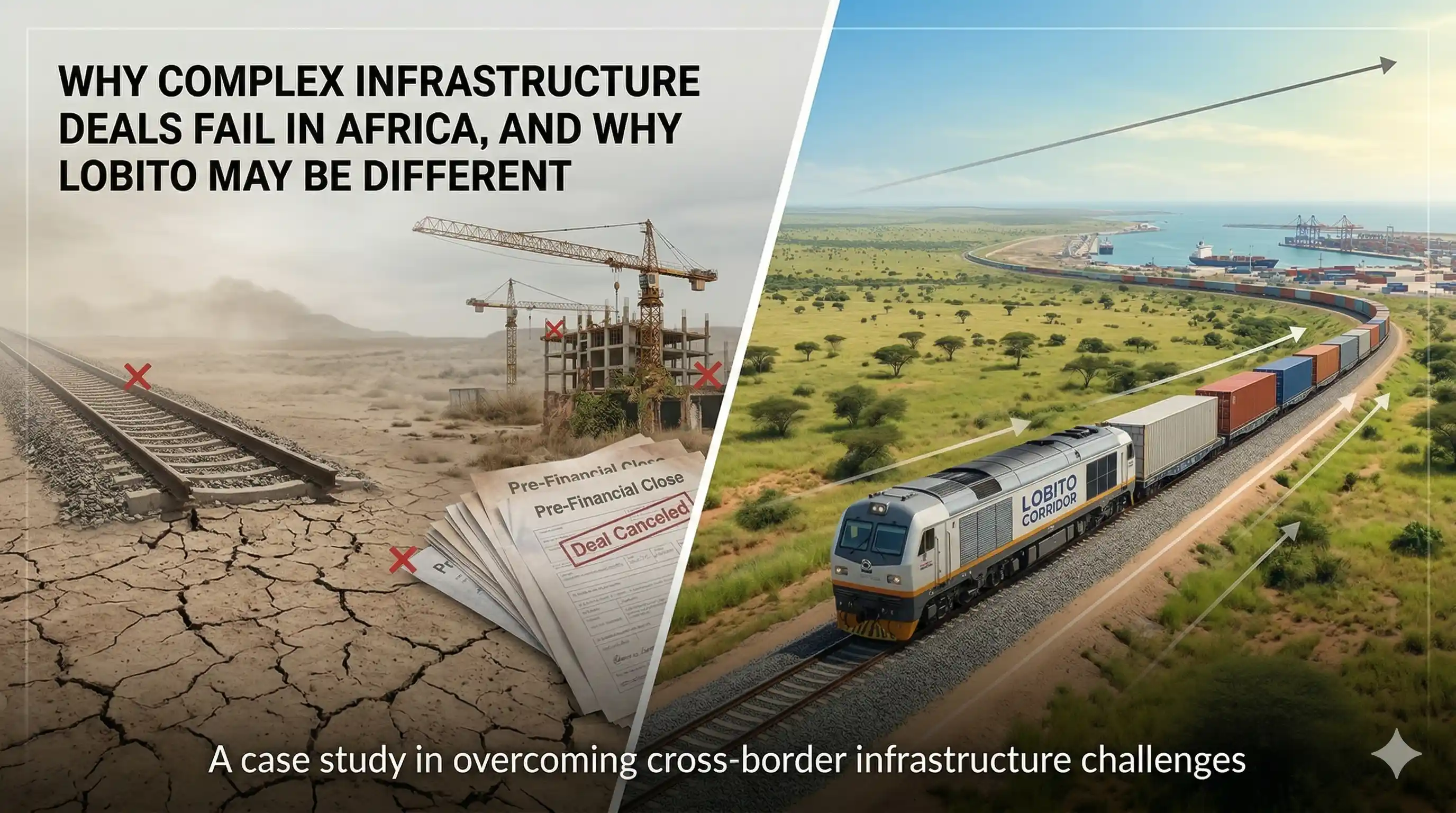
Financing the Global South’s Infrastructure Surge: The Problem Is Not Only Capital
The Global South does not face a simple shortage of capital. It faces a mismatch between the scale, currency, risk, tenor, and public-purpose characteristics of infrastructure investment and the forms of finance currently available. Countries need more power, transport, water, digital networks, urban systems, and climate-resilient infrastructure at precisely the moment when public budgets are constrained, external borrowing is expensive, and international investors remain selective about emerging-market risk. In 2024, low- and middle-income countries received USD 100 billion in private participation in infrastructure, a 20 per cent increase from the five-year average of USD 83.7 billion. Yet the OECD estimates global infrastructure needs at USD 6.9 trillion annually through 2030, with developing countries facing the widest deficits. The gap between USD 100 billion and USD 6.9 trillion is not primarily a supply problem. It is an architecture problem.

What Public–Private Partnerships Reveal, and Require
More than two decades after the Paris Declaration placed country ownership at the centre of development effectiveness, the principle remains under-realised in practice. In 2025, official development assistance fell by 23.1 per cent in real terms the largest annual contraction on record. Governments are facing tighter fiscal space, rising debt service obligations, and growing pressure to mobilise private capital to finance the infrastructure and services that shrinking aid budgets can no longer support. The question of who actually controls development investment is therefore no longer primarily a matter of principle. It is a matter of fiscal and institutional survival.
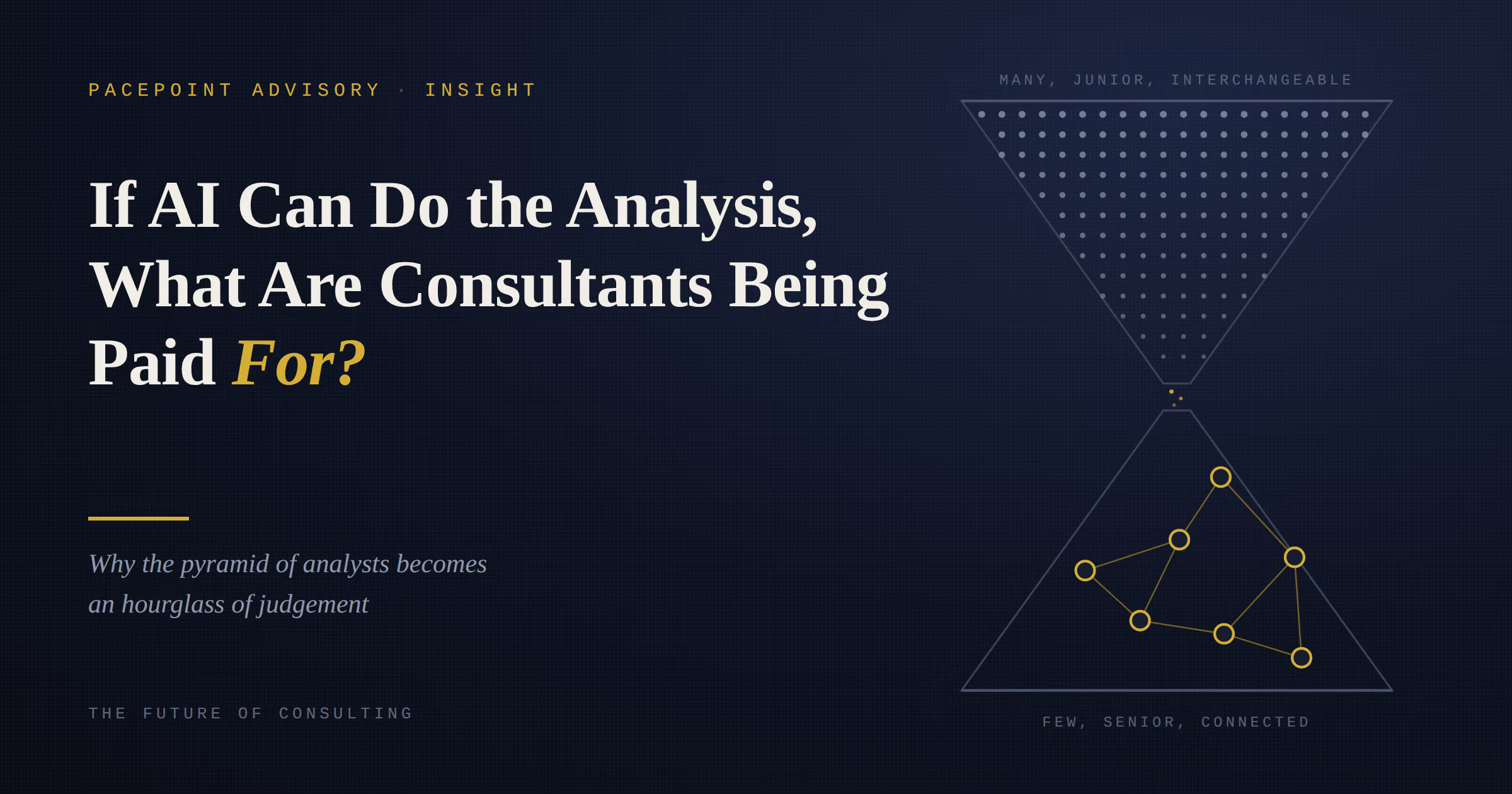
Is the Future of Consulting at Risk with the Emergence of A.I.
For decades, the consulting model has been relatively easy to understand. A small number of experienced partners sit at the top, supported by layers of managers, associates and analysts underneath them. Much of the research, benchmarking, modelling, synthesis and presentation-building happens lower down the pyramid before eventually becoming advice delivered to the client.